
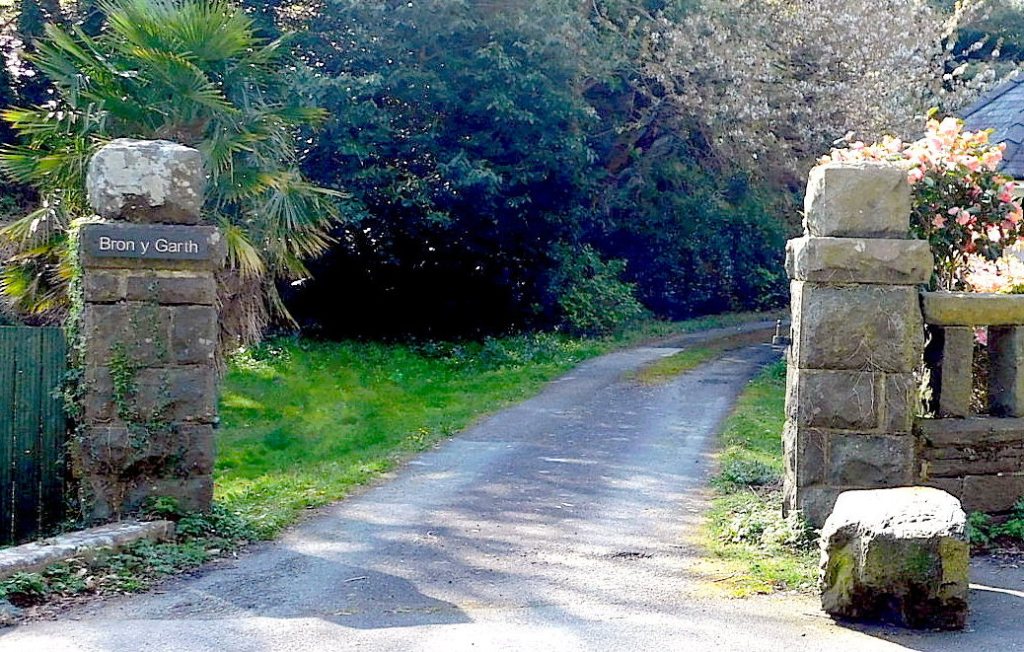
Louisa Matilda Spooner was born in 1820, the fifth of ten children, to Elizabeth and railway engineer James. At the time of her birth the family lived in Maentwrog, a village a few miles from Porthmadog. It must’ve been a boisterous household to grow up in, full of games, noise and no doubt arguments amidst so many siblings. They had their dose of tragedy too; in 1829 her older sister Caroline was accidentally shot dead by the first-born Spooner son Matthew. This horror aside, I hope Louisa had a happy childhood. She certainly seemed close to her brother Charles in adulthood.
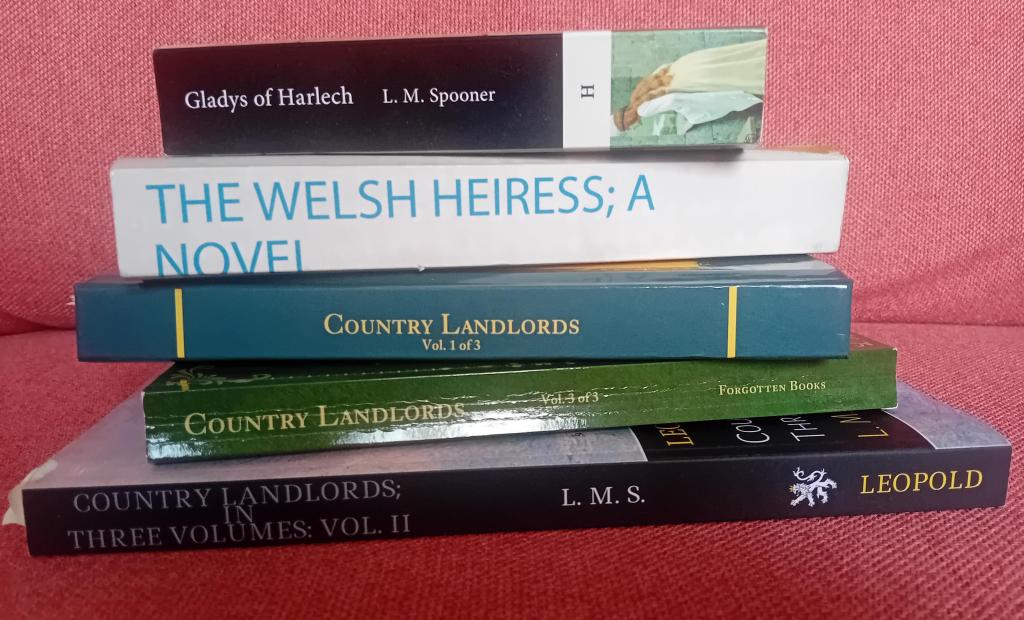
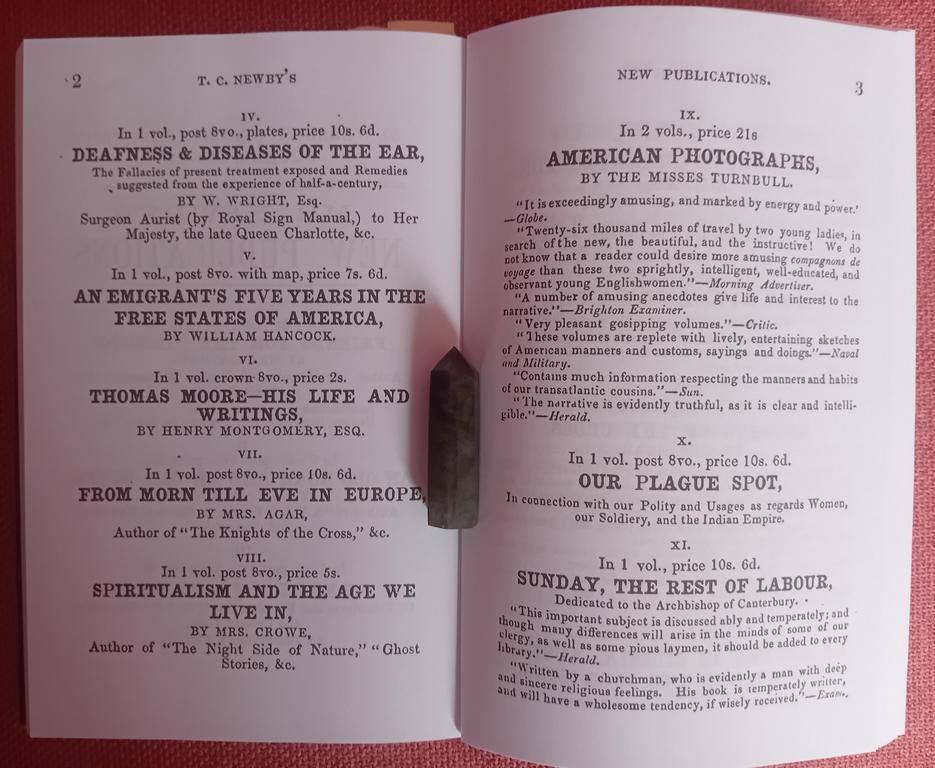
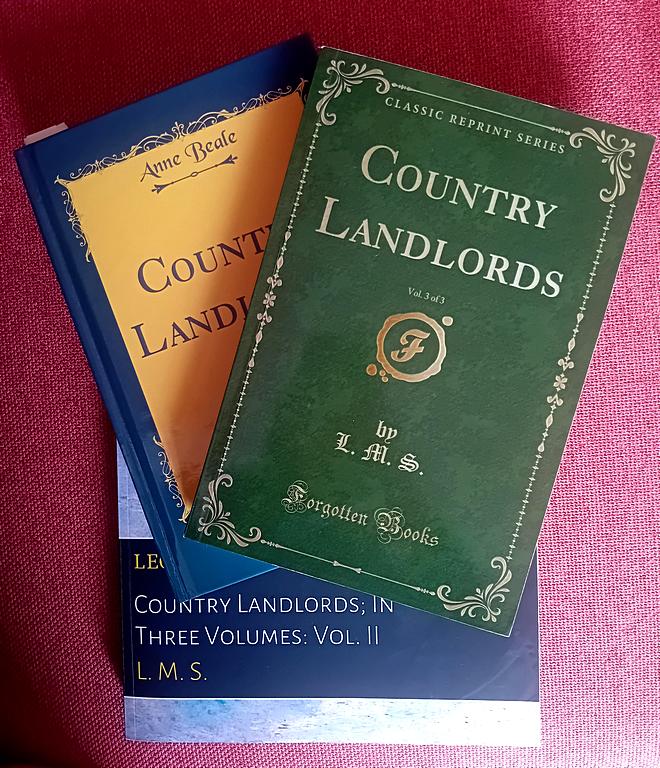
When I was at the plotting stage of my story, I wanted a real family for my fictional Priddies to interact with. I ‘auditioned’ several, including the engineering Hollands and the mine-owning Oakeleys. My interest sparked when I read about Charles Easton Spooner who, following the death of his wife, took in his spinster sister to look after his house and children. Further rummaging in the family history revealed that Louisa was a published novelist at a time when women weren’t meant to do that sort of thing, it being judged a shameful occupation in polite society. Currently there is one of Louisa’s novels in print, ‘Gladys of Harlech’ (1858), published by Honno, a re-telling of the Wars of the Roses from the Welsh perspective. There are also two contemporary novels, ‘Country Landlords’ (1860) and ‘The Welsh Heiress’ (1868). I found facsimile copies of both, the latter in three volumes of varying design, size and quality, which made for interesting and sometimes confusing reading. (There are also several pages of splendid Victorian adverts in the back of Vol. 1 – lump of labradorite in the photo as a page weight!)
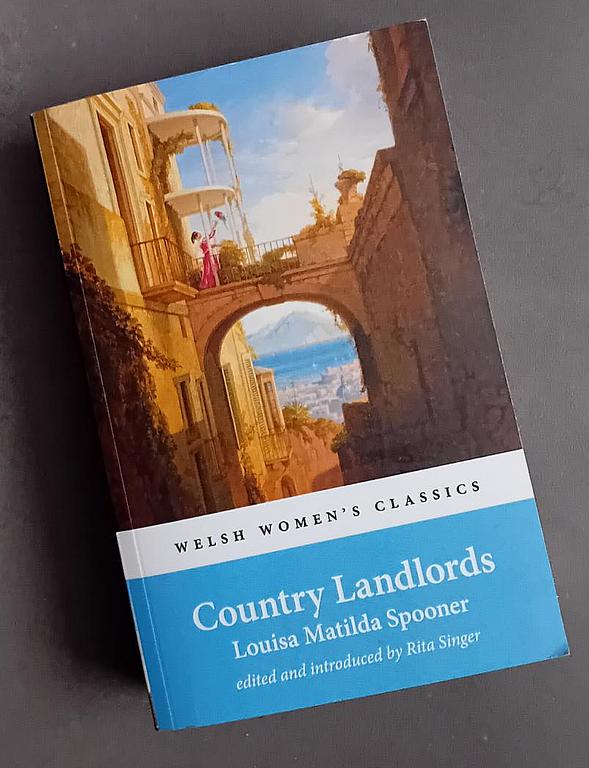
EDIT Jan 2026: A new edition of ‘Country Landlords’ was published by Honno in 2025 edited by Rita Singer, revealing a few more details (not always pleasant but of their era) on Louisa’s character.
The fact that they are set in her contemporary times gives a feel for life in Victorian north Wales, and also, I think, a good picture of her character if you read between the lines. For instance, I’d say she was stridently against alcohol and smoking; she has several rants about such filthy habits via some of her main characters. One of the facsimile editions has a different author’s name on the cover, that of Anne Beale (another Welsh lady writing novels at the same time), although inside authorship is correctly assigned to ‘LMS’.
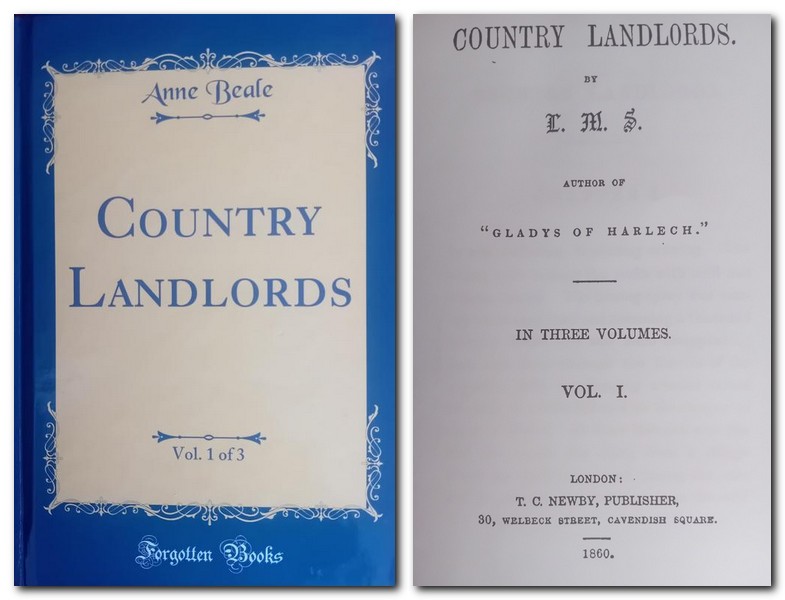
Rita Singer wrote the forward to the Honno edition of ‘Gladys’ and I am very grateful to her for sharing her time and thoughts on Louisa’s writing. She suggested there might be more of Louisa’s novels out there, undiscovered. I think the fact that Anne Beale’s name is on one of the facsimiles could well support this idea. We’ve been unable to find any photographs of Louisa, despite this era of the Ffestiniog Railway being extremely well recorded in photographs. There is a published ‘Spooner Album’ and although this focuses on the railway, I’ve scoured it for a possible glimpse of her, perhaps lurking in the background scenery. As is a common occurrence, whilst the history of the men of the railway, mines and shipping is well documented, this is not the case for the women who provided the backbone support for their mighty ambitions and everyday lives.
Philip Hawkins, Associate Editor of the Ffestiniog Railway Magazine, kindly featured my research in the Autumn 2023 issue in the hope that someone might know of a picture of Louisa. A descendent of the Spooner family contacted Philip and although he didn’t know of any photos, he said the family were aware that Charles “seemed to lose much of his customary energy once Louisa died” in 1886. From that I think they must have been very close and he sadly missed her.
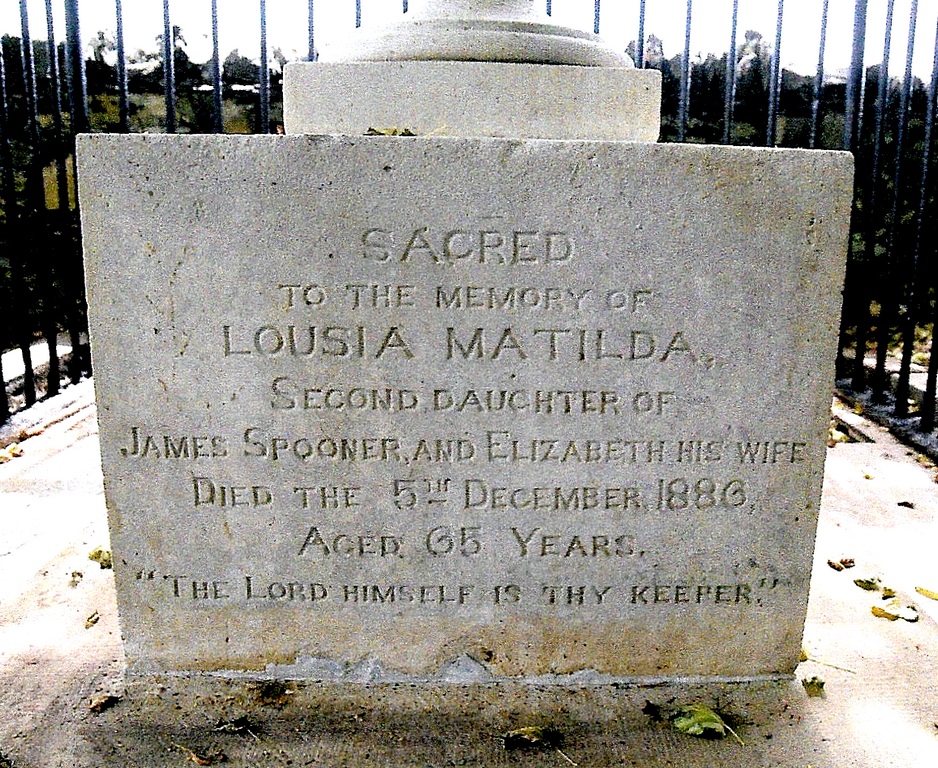
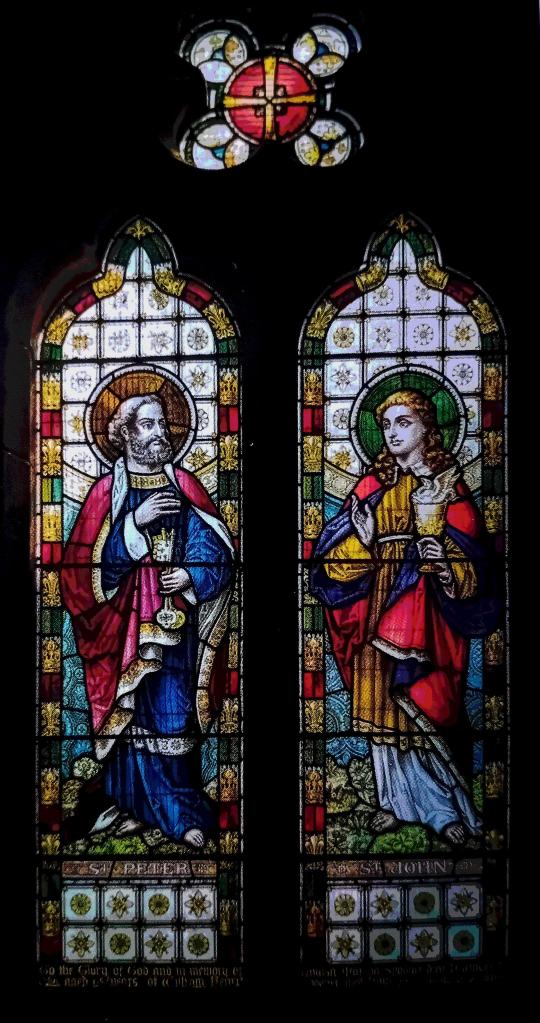
Louisa is buried with her parents at St Cynhaearn Church, Ynyscynhaearn, Pentrefelin. I find it rather sad and puzzling that ‘Louisa’ is misspelt on the gravestone. Surely someone realised? Surely they had the ‘tin’ to afford its correction? We probably won’t ever know what happened there. In St John’s Church in Porthmadog there is a glorious stained glass memorial window to Louisa. The church is now closed, no longer used, and its future is uncertain, but I sincerely hope the window is preserved in a fitting manner.
For all things Ffestiniog have a look at the following websites:
Ffestiniog Railway (tickets, info, shop etc.):
http://www.festrail.co.uk
Ffestiniog Railway Society (for supporters/volunteers):
http://www.ffestiniograilway.org.uk
Ffestiniog Heritage Group (supporting & preserving FR history in all its forms):
http://www.frheritage.org.uk

 Jacqueline Day
Leave a comment