
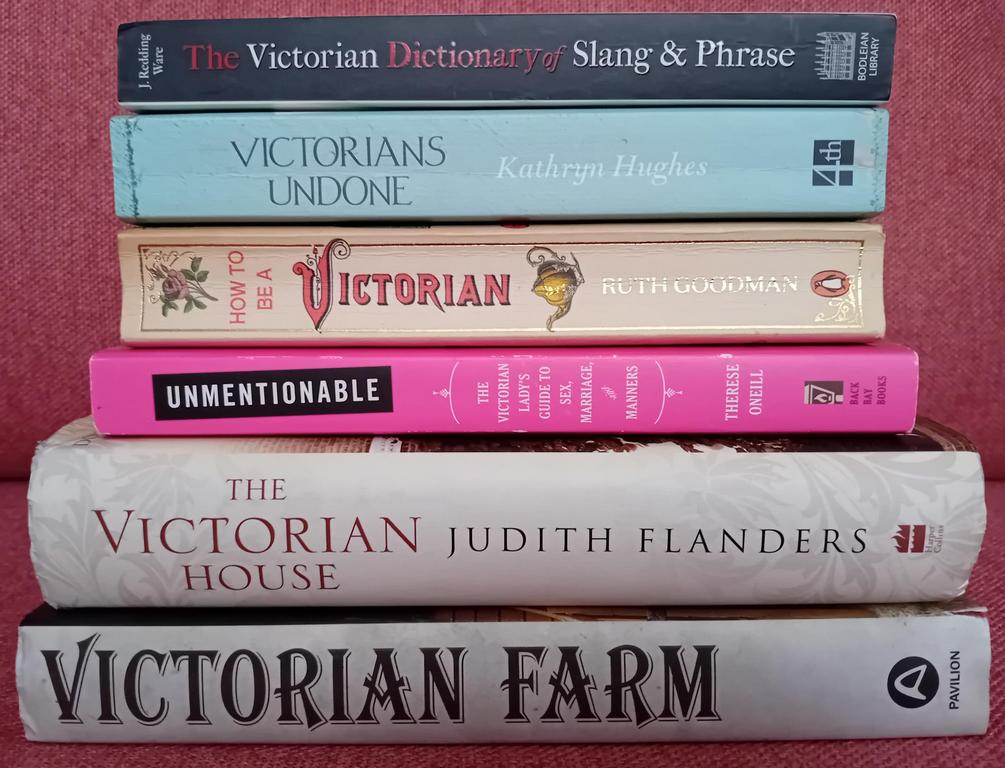
The books listed here are my favourites, the ones I have found most useful. It is not an exhaustive list; I will also have to compose an ‘online resources’ list at some stage. Whilst online resources are of course incredibly useful, I don’t think you can beat having a good old solid BOOK in your hands. I buy the majority of my books second-hand because I like old books, and some of books I was after are out of print anyway.
Victorian Life There are so many well-researched books about the Victorians and their everyday life, it was difficult to hone in on those most useful to my period of research, however these are the ones I went back to repeatedly. Obviously Victorian contemporary writers supply a wealth of background colour too – for my money Charles Dickens is the best to get an authentic feel for 1800s life. Amongst modern writers I believe Ruth Goodman to be a goddess of the genre, I find her books instructive and fascinating. ‘Victorian Farm’ is a tour de force, along with the accompanying TV series, of course.
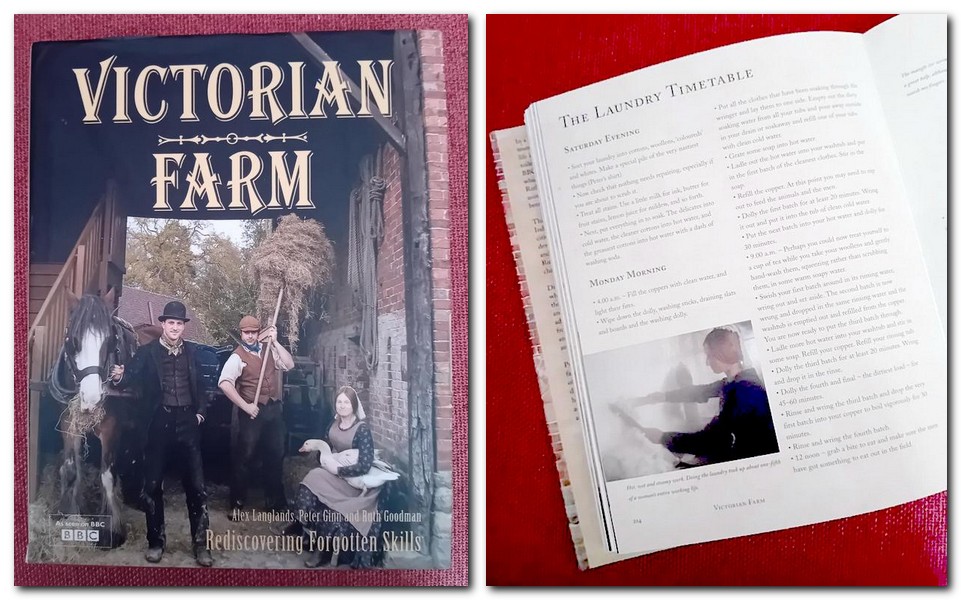
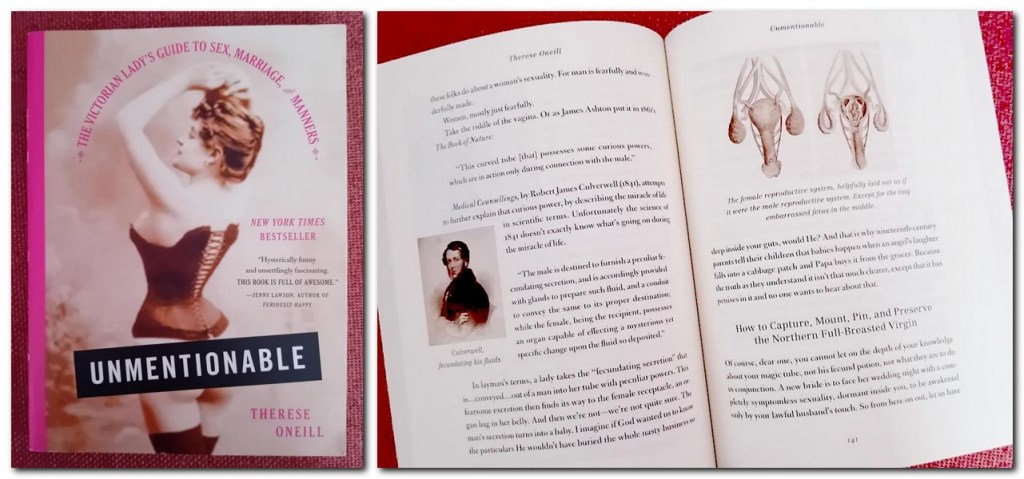
I found ‘Unmentionable: The Victorian Lady’s Guide to Sex, Marriage and Manners ‘ by Therese Oneill a revelation, it enlightened me, made me laugh, made me wince, and made me very grateful to be a twentieth century woman. I also had this on audiobook; it enlivened the daily commute to the ‘proper’ job no end.
Porthmadog As I may have mentioned elsewhere, I love this town and have been visiting for over fifty years.
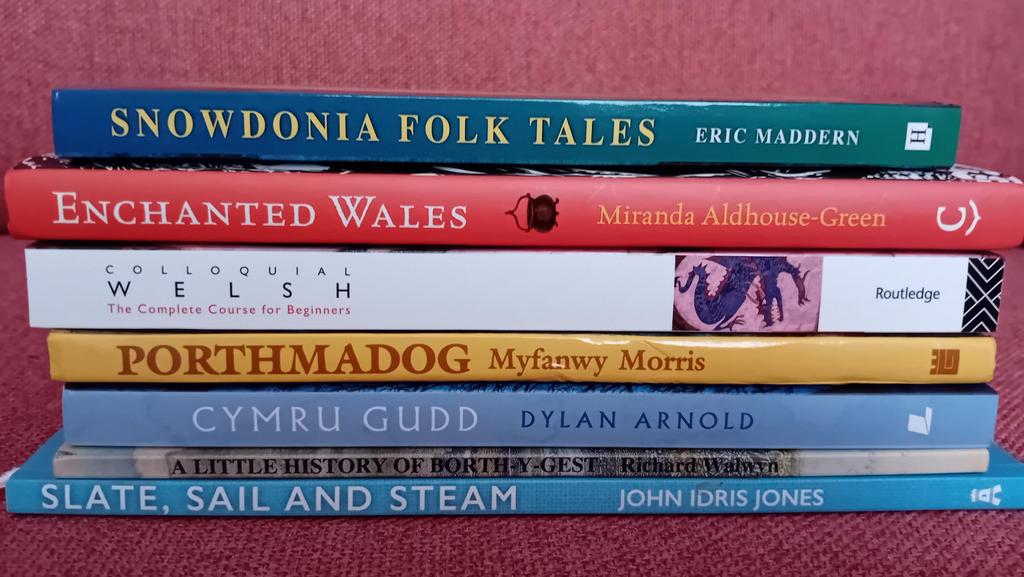
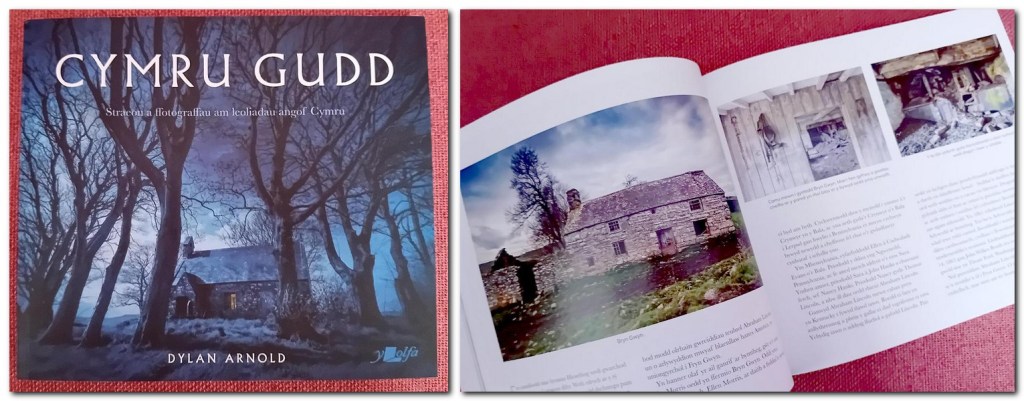
‘Cymru Gudd’ is a beautiful book, an acquisition from Browser’s Bookshop in Porthmadog featuring the atmospheric photographs of Dylan Arnold. I regret I do not speak Welsh, but it’s worth it for the photos alone.
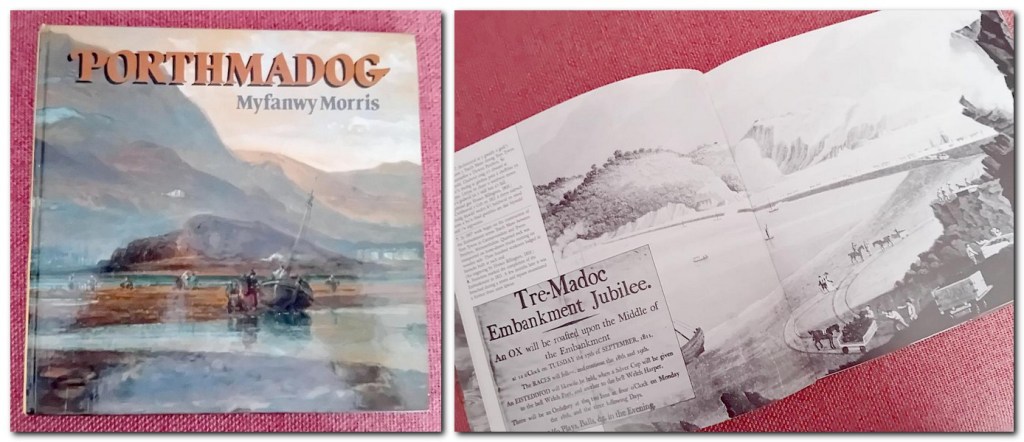
Porthmadog’s history is very well documented, it’s involvement in ‘Slate, Sail and Steam’ (for a thorough oversight-read from John Idris Jones) recorded in detail over the decades since its beginnings. ‘Porthmadog’ by Myfanwy Morris is a little book I find myself leafing through on a regular basis. My copy is ex-library and a bit battered, but I love it; an evocative photographic record of the town from the Victorian and Edwardian eras.
Ffestiniog Railway The amount of information out there on the history of the FR is immense and ever growing.
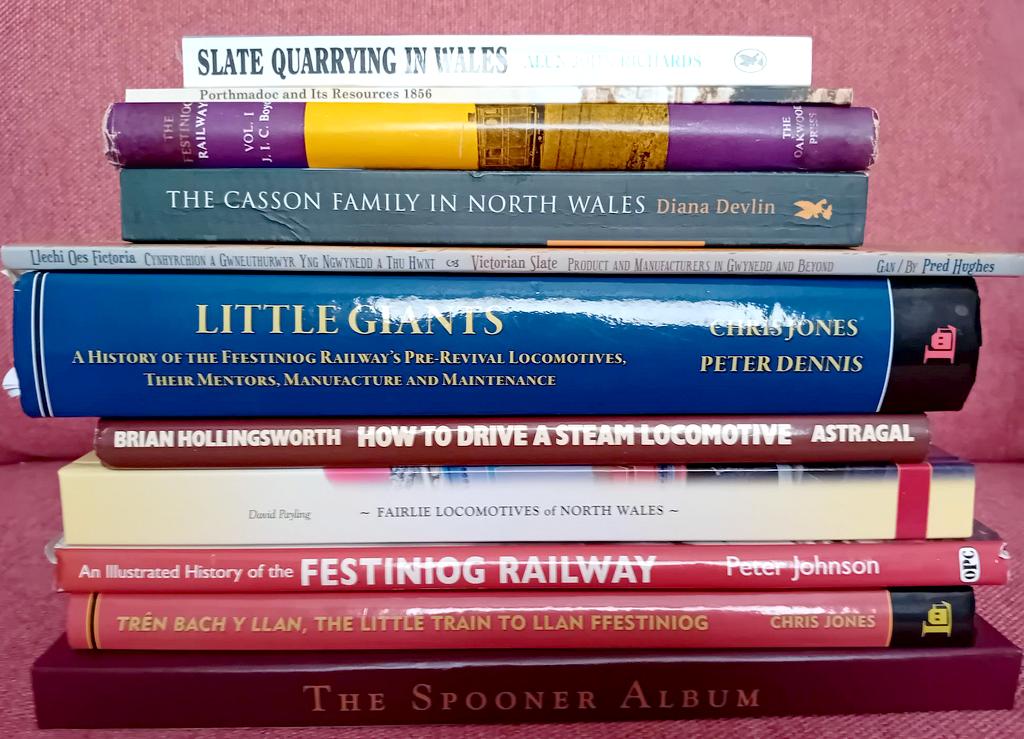
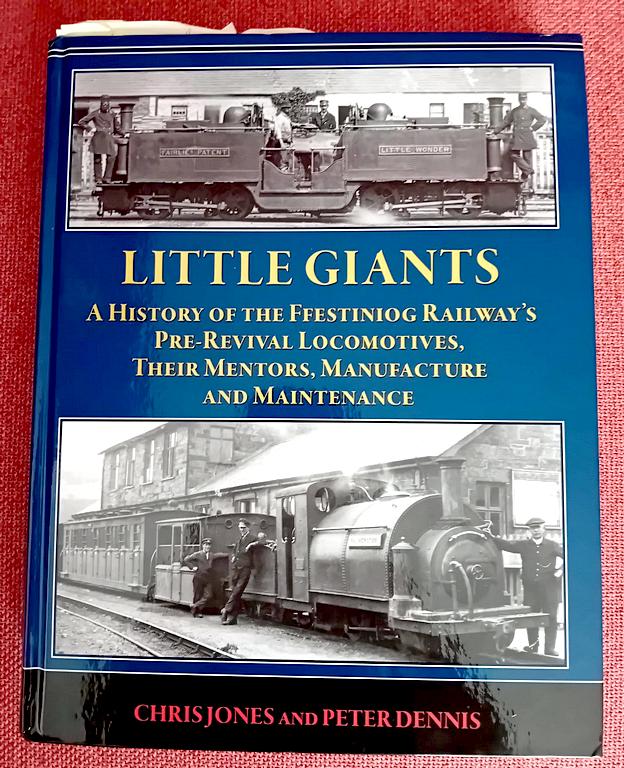
This is the smallest sample of what’s available. For me the absolute FR bible is ‘Little Giants’. The majority of my books are second-hand, but this went on a Christmas list and I was overjoyed to receive it brand new! It is huge and heavy. I’ve read that its research took authors Chris Jones and Peter Dennis ten years, and I can believe it. I’ll admit I have not read it cover-to-cover, but the sections most relevant to my own research have been read and re-read, marked with sticky notes for future reference, because they WILL need to be read again! It not only covers the technicalities and history of the railway’s development, it features the people who built it, ran it, drove the steam engines and worked in the slate mines. It’s brilliant!
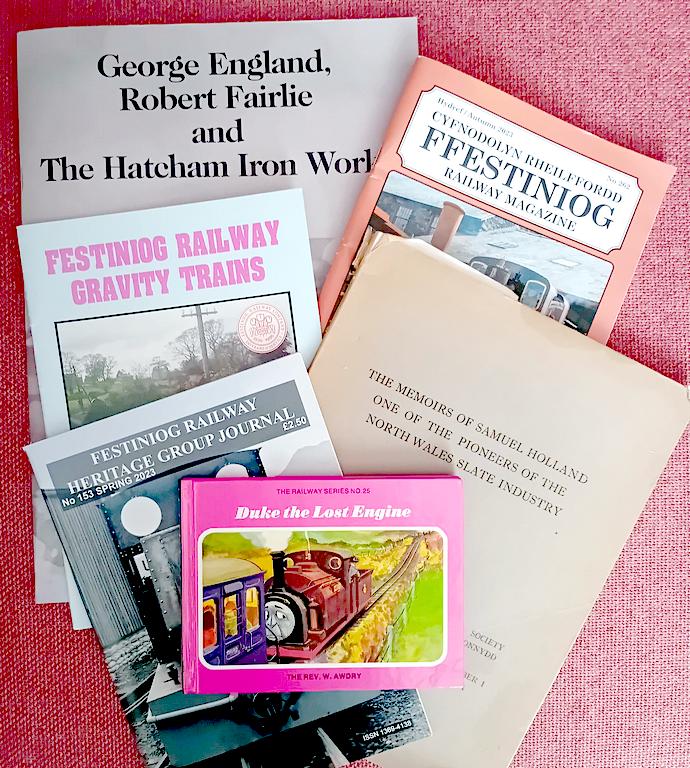
The selection below have also been most useful. The Ffestiniog Railway Magazine is produced for FR Society members and is always an interesting read, with updates on the running and development of the heritage railway, its history and local news.
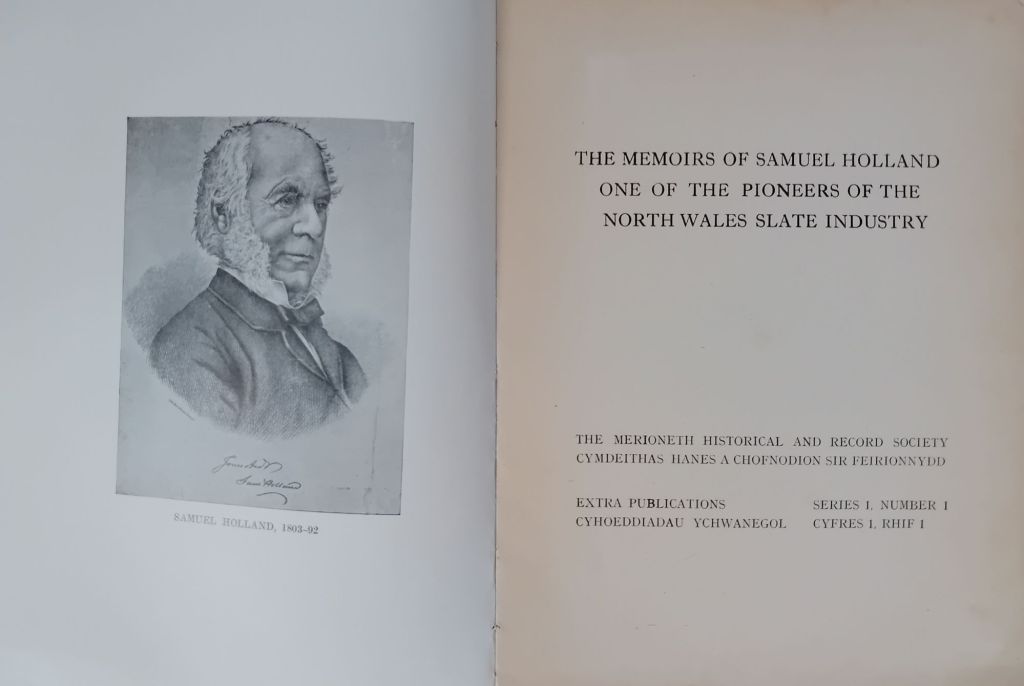
‘The Memoirs of Samuel Holland’ is a joy to read, again providing that fascinating contemporary voice. My copy is a fusty, fragile publication from 1952, which has that sublime ‘old book’ smell – priceless!
I found ‘George England, Robert Fairlie and the Hatcham Iron Works’ in the book corner of the Ffestiniog shop at Harbour Station when we were last there. It’s a slim volume but gives an interesting potted history of the gentlemen.
Ahh, last but not least, the Reverend Awdry: ‘Duke the Lost Engine’, acquired purely because it features Dad’s beloved ‘Prince’!
Merchant Shipping This is the area of Porthmadog’s history I knew least about until a couple of years ago, despite repeatedly staying in holiday accommodation on Oakeley Wharf. After exploring the inestimable Porthmadog Maritime Museum in the last remaining slate shed on the harbour, sailing become the ‘third arm’ of my story with the railway and slate mining. (For more info on the museum visit http://www.portmm.org).
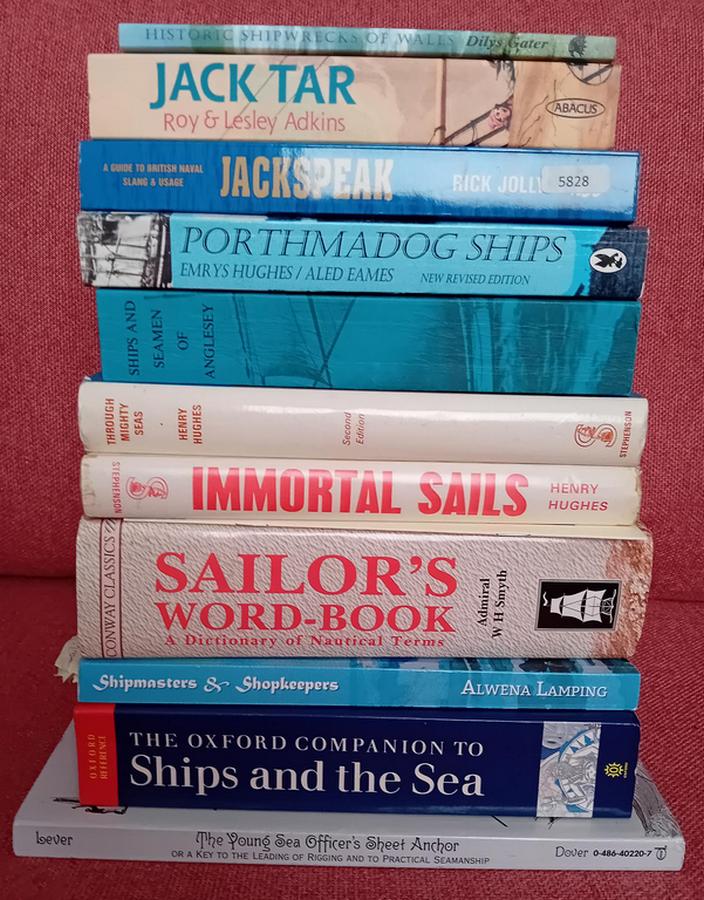
I really struggle to pick most useful or favourite from this pile. I must admit that being a Portsmouth girl with a pile of ancestors in both the Royal Navy and merchant fleet, I didn’t really need the ‘Sailor’s Word Book’ or ‘Jackspeak’; it turns out I know a lot of Navy phrases from my Pompey family and have unwittingly been using them since I learned to talk.
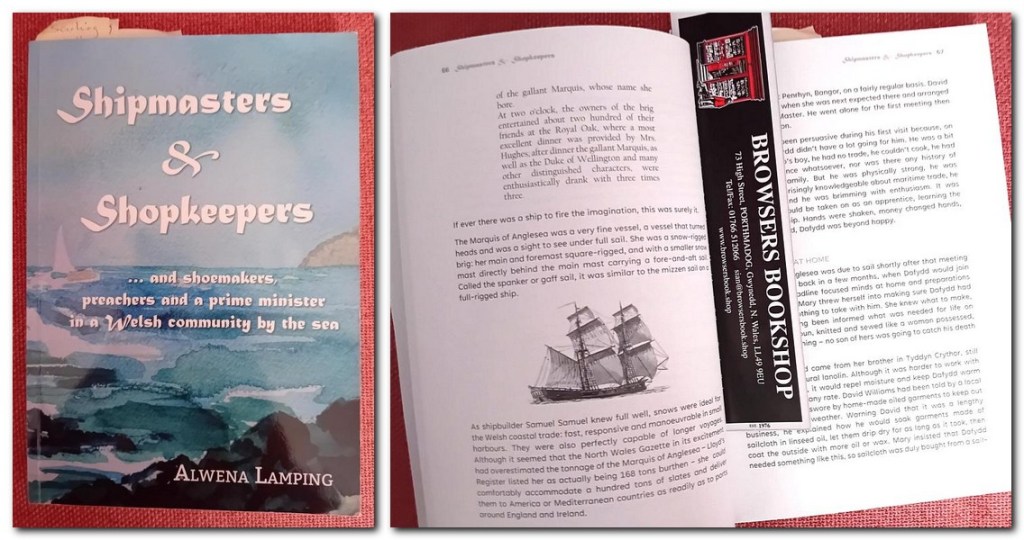
Of the Porthmadog based books, ‘Shipmasters & Shopkeepers’ by Alwena Lamping is a definite favourite (as you can tell from the number of sticky notes poking from it). This features some of those genuine voices in history to fire the imagination.
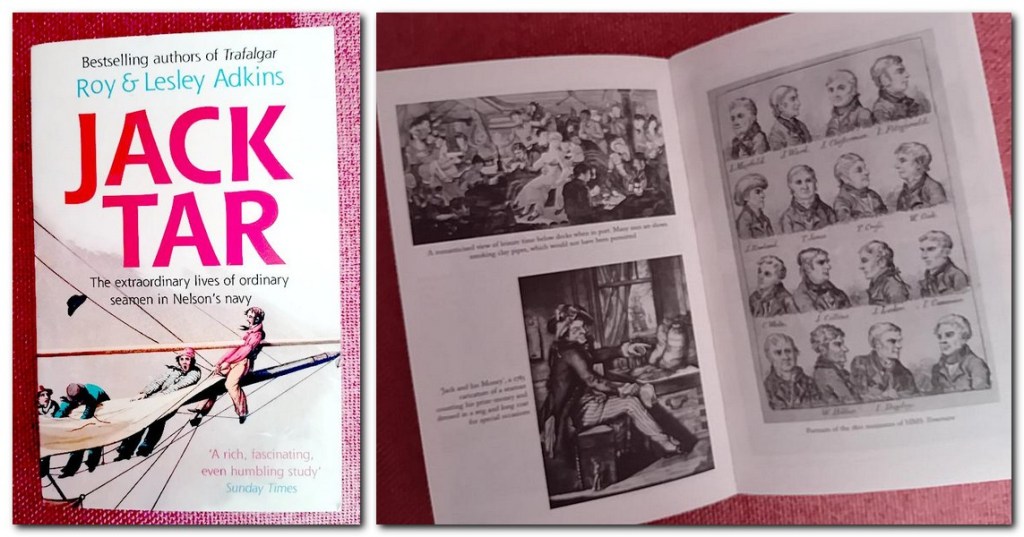
I’ve also chosen ‘Jack Tar’, which I guess I read for my own entertainment as much as anything, as it details life in the Royal Navy in the early 1800s, the days of Nelson and Trafalgar; a bit earlier than the 1860s of ‘Slate Heart’. I also have the audiobook and it’s something I often return to. (I justify repeated listening to firm up my character Ed Pigot’s background, as his grandfather was at the Battle of Trafalgar!)
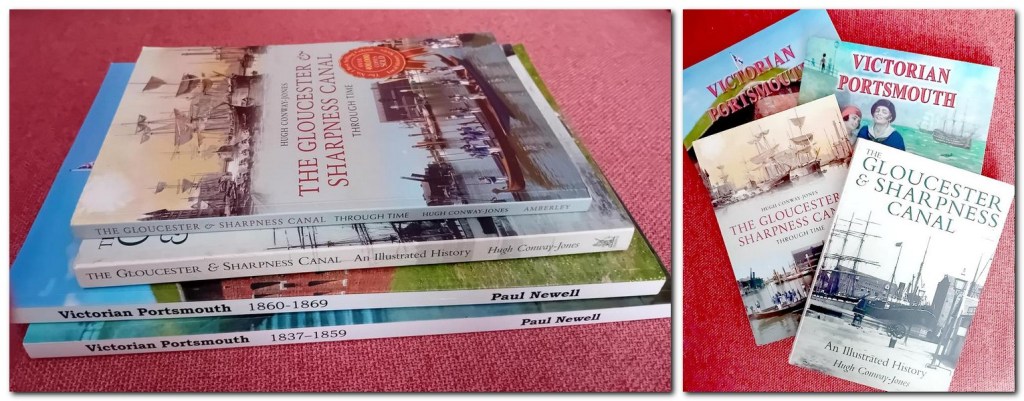
Being that Portsmouth girl, I have to tip a nod to Paul Newell’s Victorian histories of the city, extensively researched and greatly enjoyed. Finally, two volumes regarding the Gloucester and Sharpness Canal; I maybe be Portsmouth born, but I grew up in Gloucestershire and my lifelong interest in the industrial revolution was nurtured in school history lessons in the Stroud valleys (where there was a LOT of industrial revolution!).
I have absolutely no doubt that my library will continue to grow…
(EDIT ONE YEAR AFTER ORIGINAL POST: IT HAS!)

 Jacqueline Day
Leave a comment