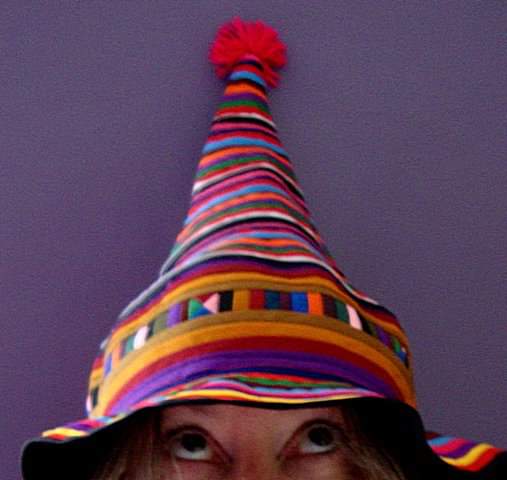
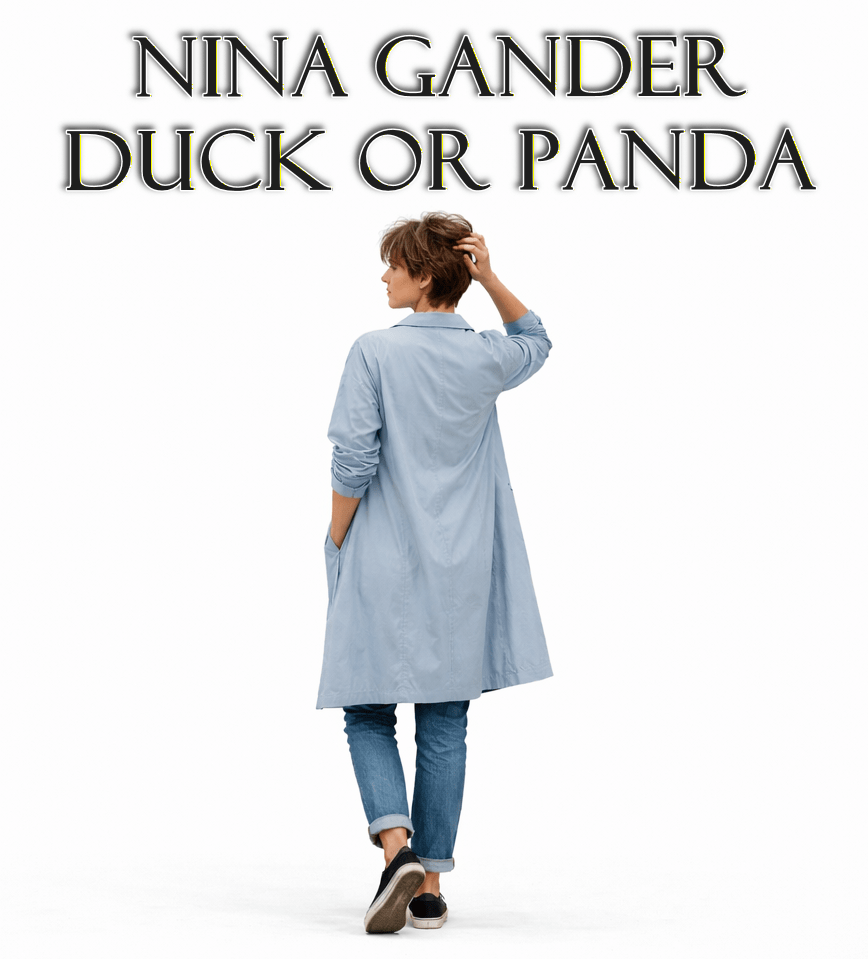
I thought I better explain Nina, having rattled on about ‘Slate Heart’ so much!
Where has the story come from? As I’ve said elsewhere, reading has been my best friend since Mum taught me the word-magic aged four. My fascination fired a natural progression to writing and in 1977 Mum and Dad gave me an old manual Olympia portable typewriter for Christmas – I was off! My fist epic, aged fourteen, was called ‘Baleton’s Intimate Circle’, a tale of 18th century smuggling derring-do with a female heroine who outsmarted the blokes every time. Pocket money (£1.20 a month, 60p from each parent) went on reams of paper and Tippex. I also saved up for a set of calligraphy pens and created an elaborate illuminated title page. (Although unpublished teenage hubris, ‘Baleton’ gets an honorary mention as one of Nina’s successful tomes; she did it much better than me!)
Many moons and lots of life later, I made the time and was given the space to put into practice all I’d learnt about creative writing over the years. My initial passion was ‘Slate Heart’. Writing historical fiction is all-consuming hard graft, although so very enjoyable and satisfying, however my brain went off on a contemporary doodle whenever it needed a break. My main pondering place at the time was on my daily bus commute to and from work, which took me past the Gander Green Inn. Have you ever liked a word so much you’ve said it over and over again in your head? No?! Oh. Well… I like the word ‘gander’, and it became a surname, then a person, then a story, and a story about a writer needing her staring time on buses to aid the composition of her novels; there the similarity ends!
Nina took form, emerging from the mist complete with middle age, off-the-beaten-track relationship needs and anxiety borne of loss and grief. I love nonsense poetry so I gave her a bit of nonsense to recite when I realised her anxiety threatened to overwhelm, hoping it would calm her, and let her get on with telling the story. The result is a tale about the personas we present to the world and what happens when our worlds collide, as well as the impact of success, fear and ‘funconventional’ relationships. I hope it will entertain and amuse those seeking contemporary women’s fiction with a twist of humour, a hint of raunch and plenty of sibling bickering.
Masks (and poetry) are how Nina copes. She is herself with her family, but someone else with her literary agent, someone else when she’s on research missions. She’s someone else again with her lover, although in that stripped-back relationship she finds maintaining the mask can get lost in the passion. (I had an acquaintance who once admitted that when her husband wore a mask during sex, he became a different man. More virile, she said, eyes a-glow, before refusing to elaborate further, but she was obviously extremely happy about it.)
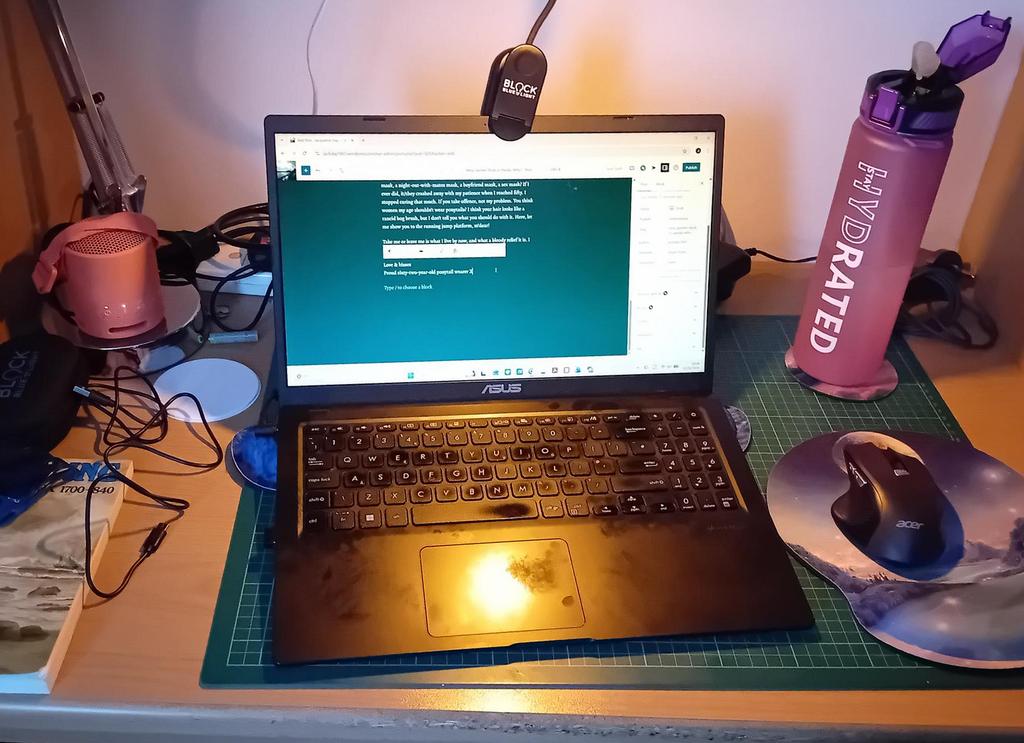
Do we all wear masks or is it just us naturally shy, more sensitive types doing it? A school mask to try and fend off bullying (usually fails), a work mask, a night-out-with-mates mask, a boyfriend mask, a sex mask? If I ever did, it/they crashed away with my patience when I reached fifty. I stopped caring that much. If you take offence, not my problem. You think women my age shouldn’t wear ponytails? I think your hair looks like a rancid bog brush, but I don’t tell you what you should do with it. Here, let me show you to the running jump platform, m’dear!
Take me or leave me is what I live by now, and what a bloody relief it is. I hope Nina reaches this nirvana one day.
Love & kisses
Proud sixty-two-year-old ponytail wearer 😃

 Jacqueline Day
Leave a comment